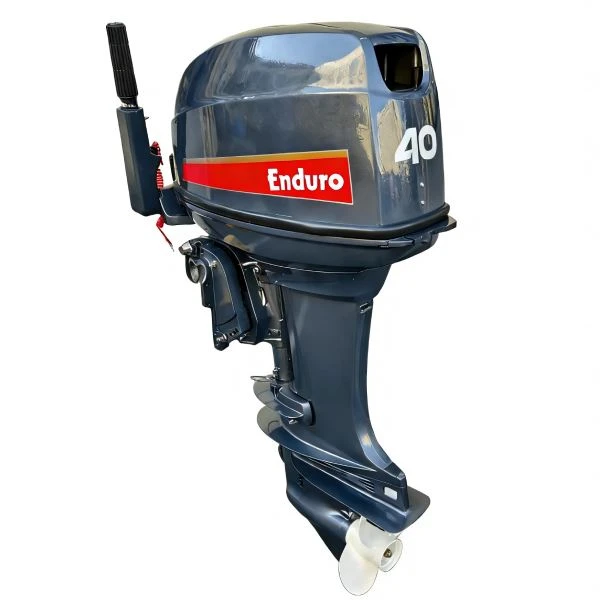

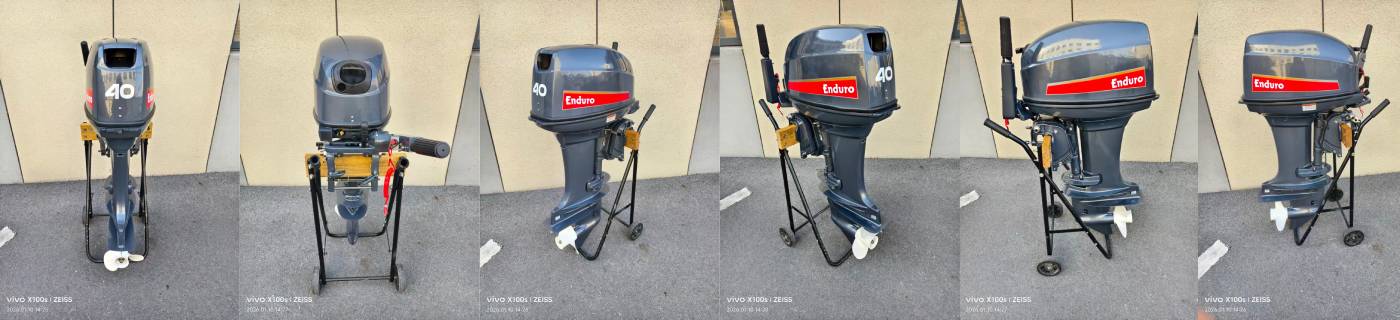
What Is Engine Yamaha Enduro 40?
Engine Yamaha Enduro 40 E40X, a 40-horsepower two-stroke outboard motor embodying pure mechanical aesthetics, features a distinctive rounded cylinder head, a compact structure, an excellent power-to-weight ratio, and direct power output. Its power response is immediate and rapid, simple and reliable, making it a trustworthy choice. The E40X 2 stroke boat engine embodies the idea that classic design is not just about form, but also about enduring performance.
Technical Specifications
| Product Name | Yamaha Engine Enduro 40 | Product Type | 2 Stroke Boat Motor |
| Rated Power | 40HP | Engine Type | In-Line 2 |
| Displacement | 703CC | Bore x Stroke | 80.0 x 70.0MM |
| Fuel Induction System | Carburetor | Max. Prop Shaft Output | 29.4 (40) @5000 |
| Engine Transom Height | S: 424MM & L: 550MM & X: 649MM | Dry Weight | 72-81KG |
| Starting System | Manual Starter Or Manual & Electric Starter | Controls | Tiller Handle Or Remote Control |
| Tilt System | Manual Tilt Or Power Trim | Lubrication System | Pre-Mixed Fuel And Oil |
| Fuel Type | Gasoline | Product Quality | 100% Tested |
| Delivery | Express & Air Freight & Sea Freight | Product Warranty | One Year 12 Months |
Key Features Of
Engine Yamaha Enduro 40 is presented as a high-power-density portable surface propeller, functioning as a reciprocating power machine that relies on fuel-oil mixture atomization for lubrication; it is mainly suitable for medium-sized composite vessels (such as deep-V fiberglass fishing boats, flat-bottom aluminum workboats, inflatable keel assault boats), as it can achieve high propulsion gains at certain throttle settings, and demonstrates excellent torque reserve and handling followability in shallow water starting, sharp turns deceleration and acceleration, and multi-segment variable load operating conditions. Its working efficiency and service life result from its overall power matching architecture that employs a double-cylinder horizontally opposed or 60-degree V-angle configuration, combined with a large-diameter low-pressure propeller and an enhanced clutch gearbox; its actual swept volume is precisely calibrated at 696 cc, with a maximum continuous output power of 29.4 kW (marked as 40 imperial horsepower), reaching at 5400 rpm, and the maximum torque value occurs around 4700 rpm.
Benefits
1. Less weight:
40 hp is the power limit for many small boats. In this range, the 20-30 kilograms saved by a two-stroke outboard motor are crucial. It allows the boat's center of gravity to be further forward, effectively preventing the common bow-up phenomenon in small boats, enabling the hull to cut through the water and enter a smooth cruising state in a shorter distance. For boat owners who frequently need to launch their boats alone or manually attach the engine, this lightweight design translates directly into productivity.
2. Carburetor:
40hp boat engines utilize extremely mature carburetor technology, offering high tolerance to fuel quality and environmental conditions. Even with lower-quality fuel in remote waters, they will still run reliably without frequent alarms or shutdowns. Furthermore, they lack an oil circulation system, meaning that even minor capsizing or tilting in shallow water won't risk oil entering the combustion chamber and damaging the engine.
3. Higher ignition efficiency:
In the 40 hp range, users often require boats with strong maneuverability and the ability to quickly overcome obstacles. Due to their high ignition frequency, two-stroke engines can deliver peak torque at low RPMs. When fully loaded with cargo or carrying several passengers and needing to quickly navigate complex wave conditions, a two-stroke outboard motor provides that decisive "instant power" feeling. This burst of power gives you more control over the water, rather than waiting for the engine to slowly increase its RPM.
Suitable For
1. Aluminum Alloy Lightweight Boats for Ultimate Responsiveness:
On aluminum alloy fishing or work boats around 4.5 to 5.5 meters in length, yamaha boat engines 40 hp are the absolute dominant choice. Aluminum alloy itself is lightweight, and mounting a heavy four-stroke engine can easily lead to a "tail-heavy, bow-light" situation, increasing draft and causing excessive bow lift during acceleration. Two-stroke outboard motors, with their lighter weight, allow these lightweight boats to maintain an ideal static waterline and utilize powerful initial torque to quickly lift the hull out of the water upon acceleration, enabling flexible maneuvering in complex shallow water or obstacle-filled areas.
2. Rigid Inflatable Boats (RIBs) Balancing Buoyancy and Maneuverability:
For rigid inflatable boats over 4 meters, a 40-horsepower two-stroke engine provides sufficient safety. Inflatable boats rely on pontoons for excellent stability, and the instantaneous power of a two-stroke engine allows RIBs to achieve excellent escape speed when encountering sudden surges or performing rescue missions. Furthermore, since inflatable boats often involve off-shore handling or simple trailer storage, the simple structure, resistance to side-laying, and lighter weight of two-stroke outboard motors significantly reduce user effort during non-navigational activities.
3. Small Commercial Fishing Boats Seeking High Turnover Rates:
On fiberglass or composite work boats around 5 meters in length, two-stroke outboard motors in this horsepower range demonstrate robust productivity. Two-stroke outboard motors, with their higher ignition frequency, can powerfully propel heavy loads even at low RPMs. Additionally, for working environments without professional dockside maintenance facilities, this type of engine, which is less sensitive to fuel quality and allows for simple repairs on the beach, is the most suitable survival tool for basic operational needs.
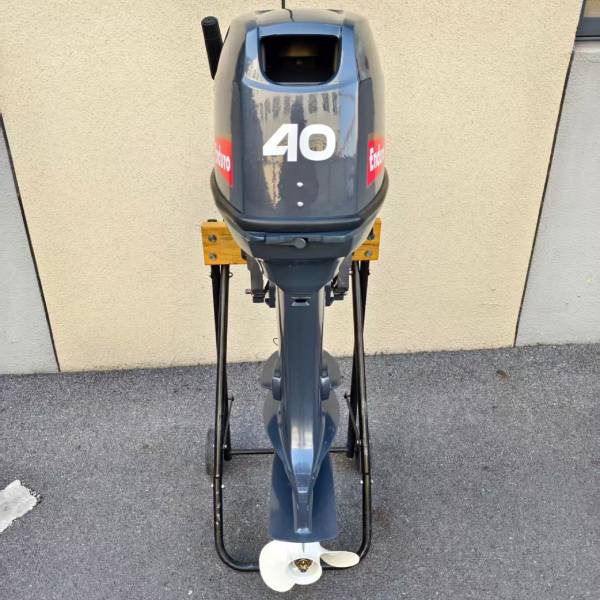
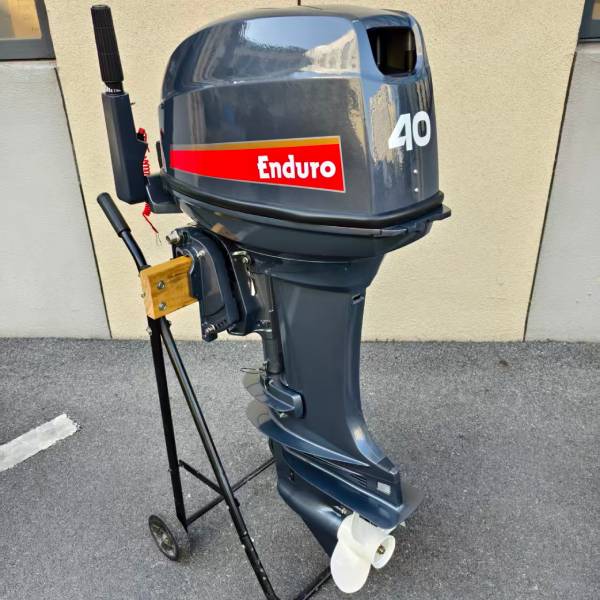
More Photos Show
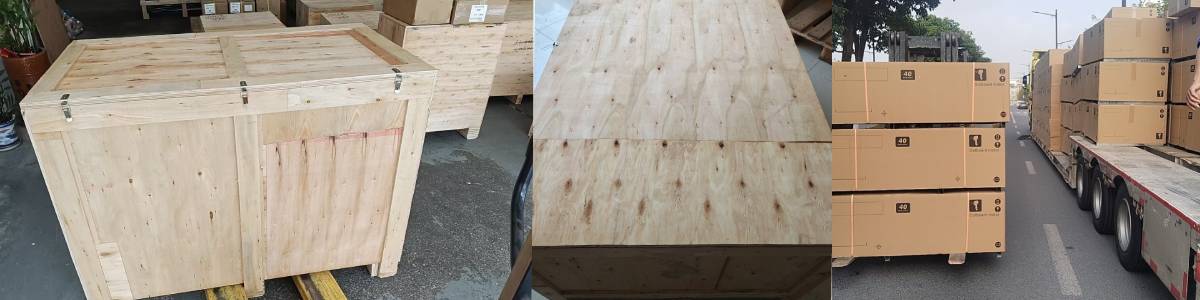
Packaging
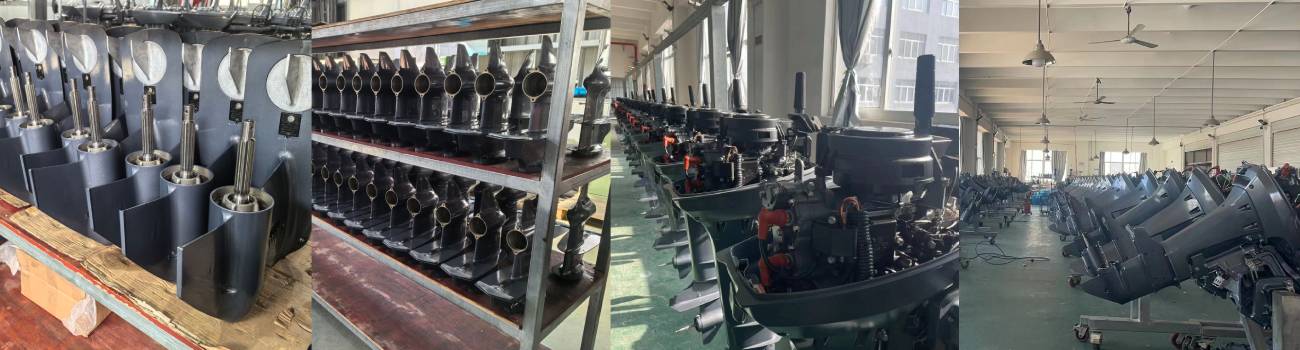
Factory
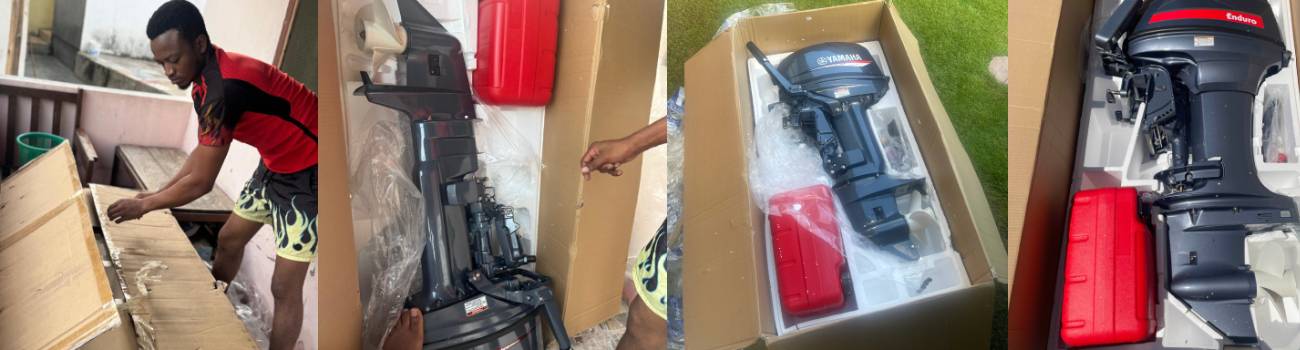
Customer Feedback
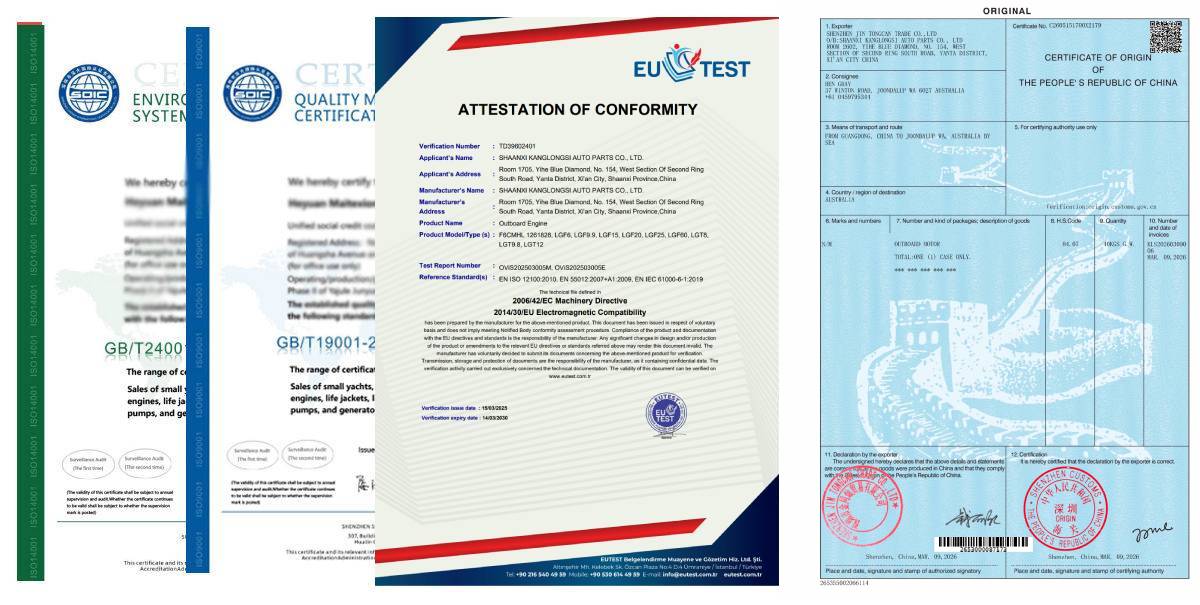
Certificate