

Hey there! As a supplier of Injector Trucks, I often get asked about how to adjust the injection pressure of these bad boys. It's a crucial aspect that can significantly impact the performance and efficiency of your truck. So, let's dive right in and break it down step by step.
First off, why is adjusting the injection pressure so important? Well, the right injection pressure ensures that the fuel is sprayed into the combustion chamber at the optimal rate and pattern. This leads to better combustion, which in turn means more power, improved fuel economy, and reduced emissions. On the flip side, if the pressure is too high or too low, you could end up with problems like rough idling, poor acceleration, and even engine damage over time.
Before you start adjusting the injection pressure, you need to gather a few tools. You'll typically need a pressure gauge, a wrench set, and a service manual for your specific Injector Truck model. The service manual is your best friend here, as it'll give you the exact specifications and procedures for your truck.
Now, let's get to the actual adjustment process. The first step is to locate the injector pump. This is usually found on the engine block, and it's responsible for pressurizing the fuel before it gets sent to the injectors. Once you've found it, you'll need to connect the pressure gauge to the pump. Make sure it's properly attached and sealed to get an accurate reading.
Next, start the engine and let it warm up to its normal operating temperature. This is important because the injection pressure can vary depending on the engine's temperature. While the engine is running, check the pressure gauge to see what the current injection pressure is. Compare this reading to the specifications in your service manual. If it's too high or too low, you'll need to make an adjustment.
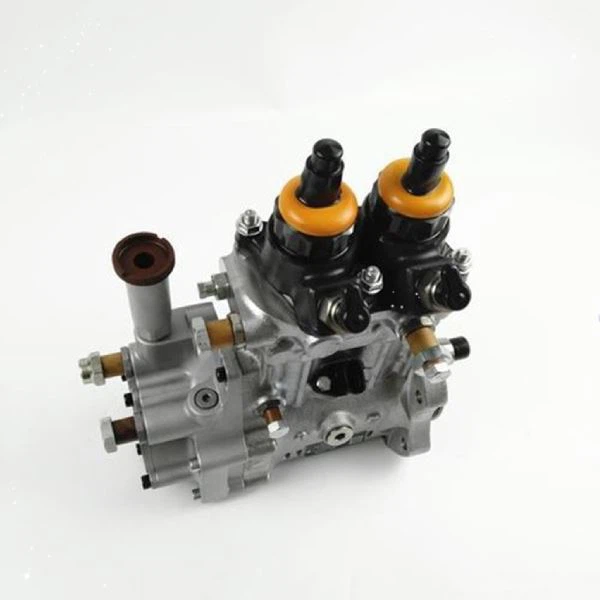
To adjust the injection pressure, you'll usually need to turn a screw or a nut on the injector pump. Turning it clockwise will generally increase the pressure, while turning it counterclockwise will decrease it. Make small adjustments at a time, and then recheck the pressure with the gauge. Keep doing this until you get the pressure within the recommended range.
It's important to note that different Injector Trucks may have slightly different adjustment procedures. Some trucks may have electronic controls that allow you to adjust the pressure through a diagnostic tool. If you're not sure how to do this, it's always a good idea to consult a professional mechanic or refer to your service manual.
Another thing to keep in mind is that the injection pressure can also be affected by other factors, such as the condition of the fuel filter and the quality of the fuel. A clogged fuel filter can restrict the flow of fuel to the injector pump, which can cause the pressure to drop. So, make sure to regularly replace your fuel filter to keep the system running smoothly.
In addition, using high-quality fuel is essential for maintaining the proper injection pressure. Low-quality fuel can contain impurities and contaminants that can damage the injector pump and the injectors. It's worth investing in good fuel to ensure the long-term performance of your Injector Truck.
Now, let's talk about some of the parts that are related to the injection system. One important component is the Howo High Pressure Fuel Pump. This pump is responsible for generating the high pressure needed to inject the fuel into the combustion chamber. If you're experiencing problems with your injection pressure, it could be due to a faulty fuel pump.
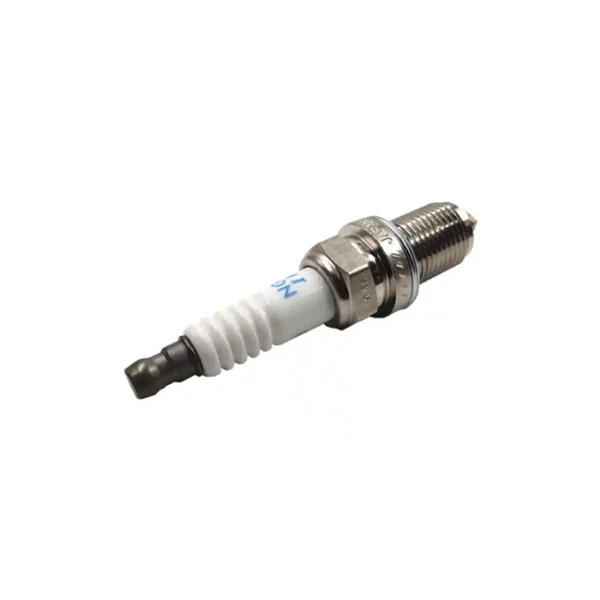
Another crucial part is the Sinotruk Spark Plug. The spark plug ignites the fuel-air mixture in the combustion chamber, and a worn-out or faulty spark plug can affect the combustion process and the overall performance of the engine. Make sure to replace your spark plugs regularly to keep your engine running at its best.
Finally, the Weichai Injector is the component that actually sprays the fuel into the combustion chamber. Over time, the injectors can become clogged or damaged, which can lead to problems with the injection pressure and the fuel spray pattern. If you notice any issues with your injectors, such as poor fuel economy or rough idling, it's a good idea to have them inspected and cleaned or replaced if necessary.
In conclusion, adjusting the injection pressure of an Injector Truck is a relatively straightforward process, but it requires some knowledge and the right tools. By following the steps outlined in this blog post and using high-quality parts, you can ensure that your truck's injection system is working properly and that you're getting the best performance and efficiency possible.
If you're in the market for an Injector Truck or need replacement parts for your existing truck, don't hesitate to reach out to us. We're a trusted supplier of Injector Trucks and related parts, and we're here to help you find the right solutions for your needs. Contact us today to start the conversation and let's work together to keep your trucks running smoothly.
References:
- Service manuals for various Injector Truck models
- Industry publications on truck maintenance and repair