

Hey there, fellow truck enthusiasts! I'm a supplier of truck water pumps, and today I'm gonna walk you through the process of replacing the impeller of a truck water pump. It might seem like a daunting task, but with the right tools and a bit of know - how, you can get it done.
First off, let's talk about why you might need to replace the impeller. Over time, the impeller can wear out due to constant use, corrosion from the coolant, or damage from debris in the system. A worn - out impeller can lead to poor coolant circulation, which can cause your engine to overheat. And we all know that an overheating engine is a big no - no.
Tools You'll Need
Before you start, gather the necessary tools. You'll need a set of wrenches, a socket set, a screwdriver, a drain pan, and of course, a new impeller that's compatible with your truck's water pump. It's also a good idea to have some safety gear, like gloves and safety glasses, to protect yourself from any sharp edges or coolant splashes.
Step 1: Prepare Your Truck
Park your truck on a flat, stable surface and let the engine cool down completely. You don't want to burn yourself on a hot engine. Once the engine is cool, open the hood and locate the water pump. It's usually near the front of the engine, and it's connected to the engine block by a series of bolts.
Step 2: Drain the Coolant
Place the drain pan under the radiator drain valve. Open the valve and let the coolant drain into the pan. Make sure to dispose of the coolant properly, as it's toxic. You can take it to a local auto parts store or recycling center.
Step 3: Remove the Fan Belt
The fan belt is connected to the water pump pulley. To remove it, you'll need to loosen the tension on the belt. This can usually be done by adjusting the tensioner pulley. Once the tension is off, you can slide the belt off the pulleys. If you're in need of a new fan belt, we have some great options like the Fan Belt 8PK1050 and Truck Fan Belt available.
Step 4: Disconnect the Hoses
There are usually two hoses connected to the water pump: the inlet hose and the outlet hose. Use a screwdriver or a wrench to loosen the hose clamps and then carefully pull the hoses off the water pump. Be prepared for some coolant to spill out, so have a rag handy to clean it up.
Step 5: Remove the Water Pump
The water pump is held in place by a series of bolts. Use your socket set to remove these bolts. Once the bolts are out, you can carefully pull the water pump away from the engine block. Be careful not to damage the gasket or the mating surface on the engine block.
Step 6: Remove the Old Impeller
Once you have the water pump removed, you can access the impeller. It's usually held in place by a retaining nut or a set screw. Use the appropriate tool to remove the fastener and then pull the impeller out of the water pump housing.
Step 7: Inspect the Water Pump Housing
While you have the impeller out, take a look at the inside of the water pump housing. Look for any signs of damage, corrosion, or debris. If there's a lot of buildup, you can clean it out with a brush and some coolant cleaner. Also, check the bearings in the water pump. If they're worn or noisy, you might want to replace the entire water pump.
Step 8: Install the New Impeller
Take your new impeller and insert it into the water pump housing. Make sure it's seated properly and then reinstall the retaining nut or set screw. Tighten it to the manufacturer's specifications.
Step 9: Reinstall the Water Pump
Apply a thin layer of gasket sealer to the mating surface of the water pump and the engine block. Place the new gasket on the engine block and carefully position the water pump over it. Insert the bolts and tighten them evenly.
Step 10: Reconnect the Hoses
Slide the hoses back onto the water pump and tighten the hose clamps. Make sure they're secure to prevent any coolant leaks.
Step 11: Reinstall the Fan Belt
Put the fan belt back on the pulleys and adjust the tensioner pulley to apply the correct tension. You can use a belt tension gauge to make sure the tension is right.

Step 12: Refill the Coolant
Pour the appropriate amount of coolant into the radiator. You can check your truck's owner's manual for the correct coolant type and capacity. Once the radiator is full, start the engine and let it run for a few minutes. Check for any leaks around the water pump and hoses.
Step 13: Check the Coolant Level
After the engine has run for a while, turn it off and let it cool down again. Check the coolant level in the radiator and add more if necessary.
Step 14: Final Checks
Take a final look around the engine bay to make sure everything is connected properly and there are no loose bolts or hoses. Close the hood and take your truck for a short test drive to make sure the water pump is working correctly.
Additional Tips
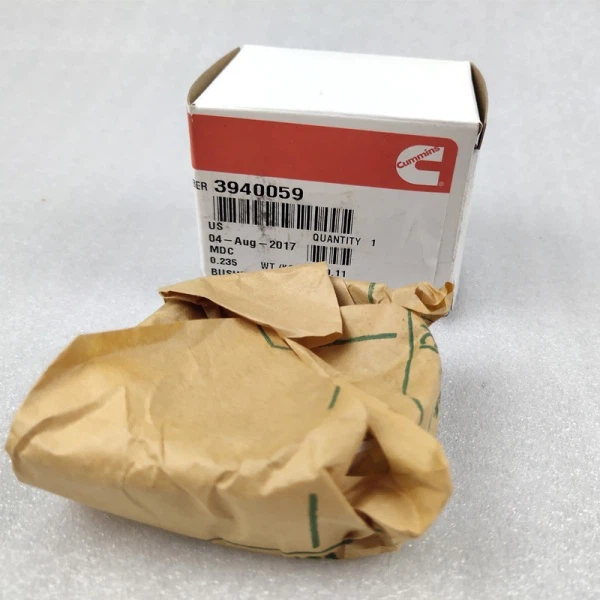
- If you're having trouble with the camshaft bushing in your truck's engine, we also offer Camshaft Bushing that can help keep your engine running smoothly.
- Always follow the manufacturer's instructions when working on your truck's engine. If you're not sure about something, it's better to consult a professional mechanic.
Conclusion
Replacing the impeller of a truck water pump is a bit of a DIY project, but it's definitely doable with the right steps. If you're in the market for high - quality truck water pump parts, we're here to help. Whether you need an impeller, a fan belt, or a camshaft bushing, we've got you covered. If you have any questions or want to place an order, feel free to reach out to us. We're always happy to assist you with your truck part needs.
References
- "Auto Repair Manual" - A comprehensive guide to automotive repair.
- Truck manufacturer's owner's manual.