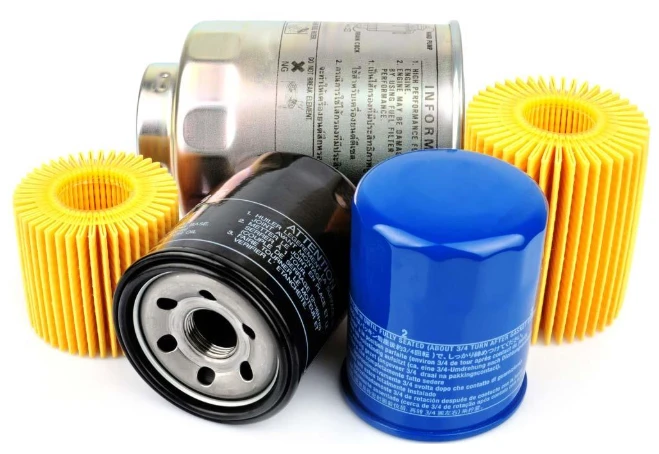
The Consequences of Not Replacing the Oil Filter
The oil filter is a critical component in an engine's lubrication system, designed to trap contaminants like dirt, metal particles, and sludge while allowing clean oil to circulate. Failing to replace it during routine oil changes can lead to significant engine damage:
Reduced Filtration Efficiency: Over time, the filter becomes clogged, restricting oil flow. This forces the engine to operate with insufficient lubrication, increasing friction and wear on components like bearings, pistons, and camshafts.
Contaminated Oil Circulation: A saturated filter allows unfiltered oil (with dirt and debris) into the engine, accelerating wear and potentially causing premature failure of critical parts.
Increased Engine Stress: Poor lubrication raises operating temperatures and strain on components, leading to sludge buildup, oil pressure drops, and eventual engine seizures.
Shortened Oil Lifespan: Even fresh oil cannot perform optimally if contaminated by a clogged filter, reducing its effectiveness and necessitating more frequent oil changes.
Best Practice: Always replace the oil filter with every oil change. Most manufacturers recommend this standard interval (typically 5,000–10,000 miles) to maintain engine health and longevity. Neglecting this simple step risks costly repairs and compromised performance.